

The Essential Guide to Pulping Equipment in the Construction Industry
Release time:
2025-05-17
In the construction and decoration materials industry, particularly within the realm of masonry materials like mortar, pulping equipment plays a crucial role in ensuring high-quality products. Pulping refers to the process of breaking down raw materials into a workable consistency, which is essential for producing various construction materials. Understanding the significance of pulping equipment can help manufacturers optimize their production processes and improve the overall quality of their products.
Pulping equipment typically includes a variety of machines designed to handle different raw materials, such as aggregates, sand, and cement. These machines can vary in design and function, but they generally aim to achieve a uniform mixture that enhances the performance of the final product. For example, in the production of mortar, the pulping process ensures that the aggregates are adequately mixed with cement and water, creating a consistent and workable paste.
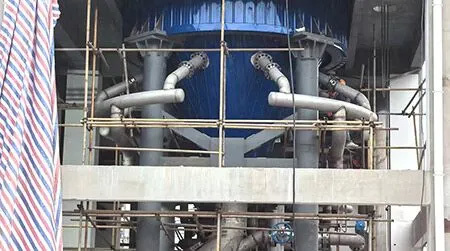
One of the primary benefits of using effective pulping equipment is the enhancement of material quality. By achieving a homogeneous mixture, manufacturers can ensure that their mortar is durable and capable of withstanding various environmental conditions. This is particularly important in construction, where the structural integrity of buildings depends on the performance of the materials used.
Moreover, investing in advanced pulping equipment can lead to increased efficiency in production. Modern machines are often designed to operate at higher speeds and with greater precision, reducing the time and labor involved in the manufacturing process. This not only helps in meeting production demands but also minimizes waste, leading to cost savings and a more sustainable operation.
In addition to efficiency and quality, the use of pulping equipment can contribute to overall sustainability in the building materials industry. By optimizing the mixing process, manufacturers can reduce the amount of raw materials required, as well as the energy consumed during production. This aligns with the growing emphasis on environmentally friendly practices within the construction sector, making it an essential consideration for businesses aiming to meet regulatory and consumer demands.
In conclusion, pulping equipment serves as a fundamental component in the construction and decoration materials industry, especially in the production of mortar and other masonry materials. By investing in the right machinery, manufacturers can enhance product quality, improve operational efficiency, and promote sustainable practices. Understanding the significance and functionality of pulping equipment can empower businesses to make informed decisions that lead to better outcomes in their production processes.
Contact Us
Address: No.158 Changjiang Road, Anyang, Henan, China.


Production Lines
Message
* Note: Please be sure to fill in the information accurately and we will contact you as soon as possible.
Copyright © 2026 China National United Equipment Group Anyang Machinery Co., Ltd.
Powered by :www.300.cn Supported IPV6 Privacy Agreement